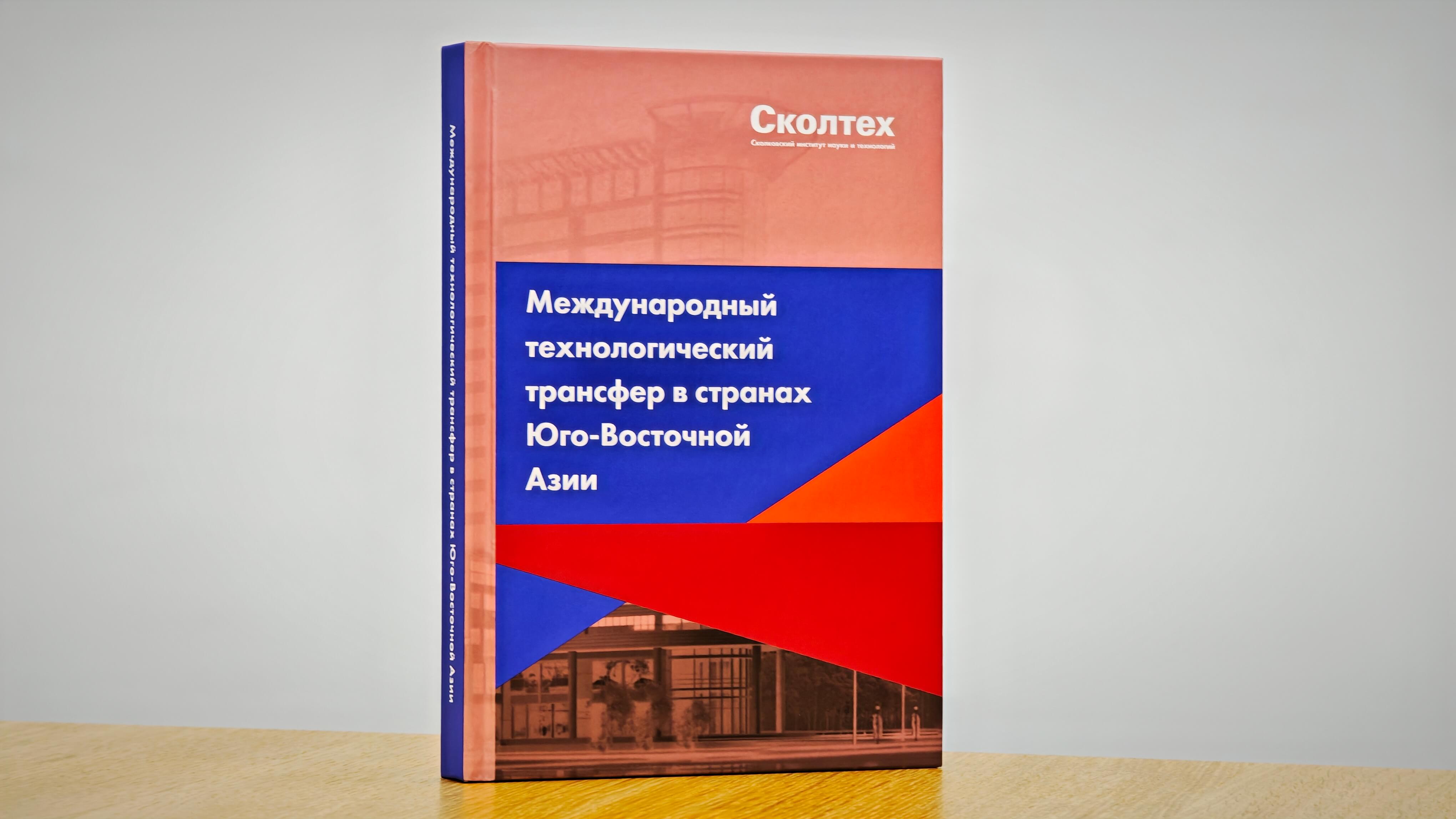
Southeast Asia is one of the world’s most rapidly developing regions. The countries of the region are currently pursuing pragmatic policies in the fierce competition for foreign investment, balancing between two poles: the United States, which these countries have always been close to, and the new global technology leader — China. The aim of the new Skoltech analytical study was to determine how Vietnam, Indonesia, Malaysia, Thailand, and the Philippines are changing their science and technology policies in response to new geopolitical conditions.
“In this new edition, similar to previous works in the series, we tried to maintain a balance between the analysis of economic, scientific, and technological data from official statistics and qualitative research into processes typical for the scientific and technological spheres. But this time, we paid more attention to a comparative analysis of countries on issues such as the export of high-tech products and the specifics of international technology transfer,” Irina Dezhina commented on the study.
According to the authors, the countries under study are currently recipients of investments; however, inspired by the experience of China and Singapore, they are already purposefully working to expand incoming technology transfer. Their national technology transfer strategies are primarily interesting from the perspective of expanding cooperation between these countries and Russia. In the era of a multipolar economic context, mutual technology transfer between emerging economies and countries under sanctions is the foundation of their technological resilience.
“In the technological sphere, new niche technologies could be most attractive for Russia: This primarily concerns microelectronics and related fields involving its applications, as well as the space industry,” Irina Dezhina summarized.
As promising areas for import into Russia, the authors highlighted any competencies that enable the development of materials and technologies for integrated photonics, chemically pure elements, analytical equipment, as well as advanced engineering technologies. The researchers also proposed a formula for a promising approach to technology transfer involving Russia — providing technology and platforms for its development in exchange for access to the market for goods with a catch-up level of quality and complexity.
In conclusion, the book notes that all the countries under consideration are committed to a policy of balancing between the US and China, and this vector will continue in the coming years. The exception is the Philippines, which is most oriented towards the American market. Most Western countries and China will likely be cautious about transferring the most advanced technological solutions to Southeast Asian countries, which means Russia’s readiness to participate in technology exchange is potentially beneficial for all parties.