Skoltech at SPIEF 2026: University-driven technological advancement, business and regional ecosystems, and new educational challenges
June 5, 2026

From June 3 to 6, the St. Petersburg International Economic Forum (SPIEF) featured multiple contributions from Skoltech researchers and experts, as well as the signing of several strategic agreements between the Institute and its partners.

The future of education and science lies in partnerships and ecosystems

Developing a flexible education model is key to achieving technological leadership. This issue was discussed at the session “The Education System as a Foundation for Sustainable Economic Growth” moderated by Russian Presidential Aide Andrei Fursenko.

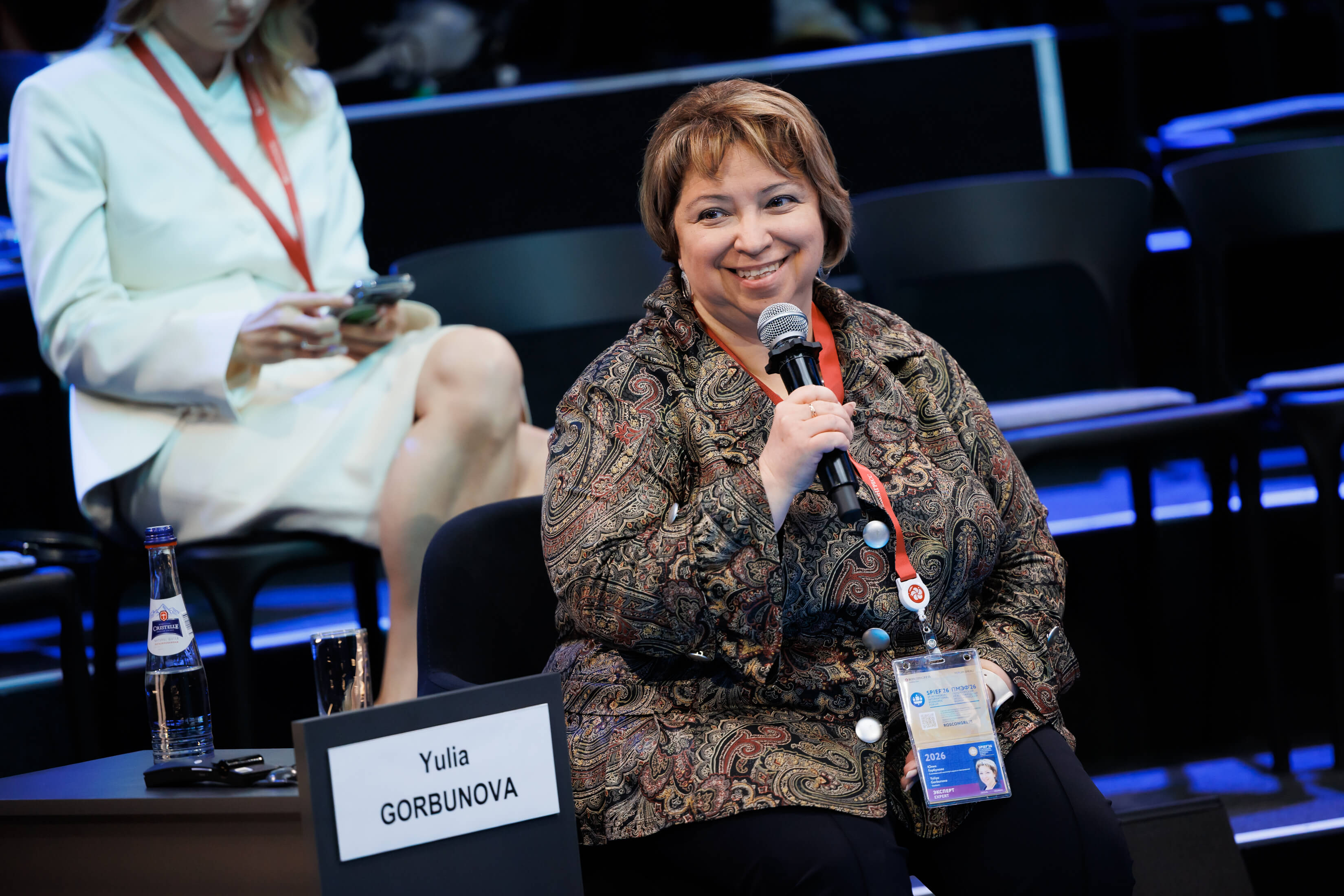
During the discussion, Skoltech President Yulia Gorbunova stated that universities must prepare students for uncertainty and interdisciplinary teamwork. She also called for collaboration between universities, high-tech companies, and regions. “Someone asked, ‘Should we invest in universities or companies?’ The answer is that you should only invest in partnerships. The ‘customer-contractor’ model is a thing of the past,” she commented. Gorbunova believes that universities should create technological trends and development ecosystems, not just act as contractors. 

subscription
Credit: VEB.RF PR Office

The president said that Skoltech has already adopted this new model, citing the joint Skoltech-Yandex master’s program, “AI in Robotics,” and the Skoltech-Sberbank-NES program, “Artificial Intelligence and Financial Technologies,” as examples. In cooperation with the Krasnoyarsk region, a Skoltech research team led by Stanislav Fedotov is working on a large-scale project to develop sodium-ion battery production technology. “I believe that uniting regions is one of the missions of a modern university. We at Skoltech are ready to collaborate with regional universities,” the president emphasized. Mikhail Kotyukov, the governor of the Krasnoyarsk region, who also attended the session, agreed with Gorbunova’s message.

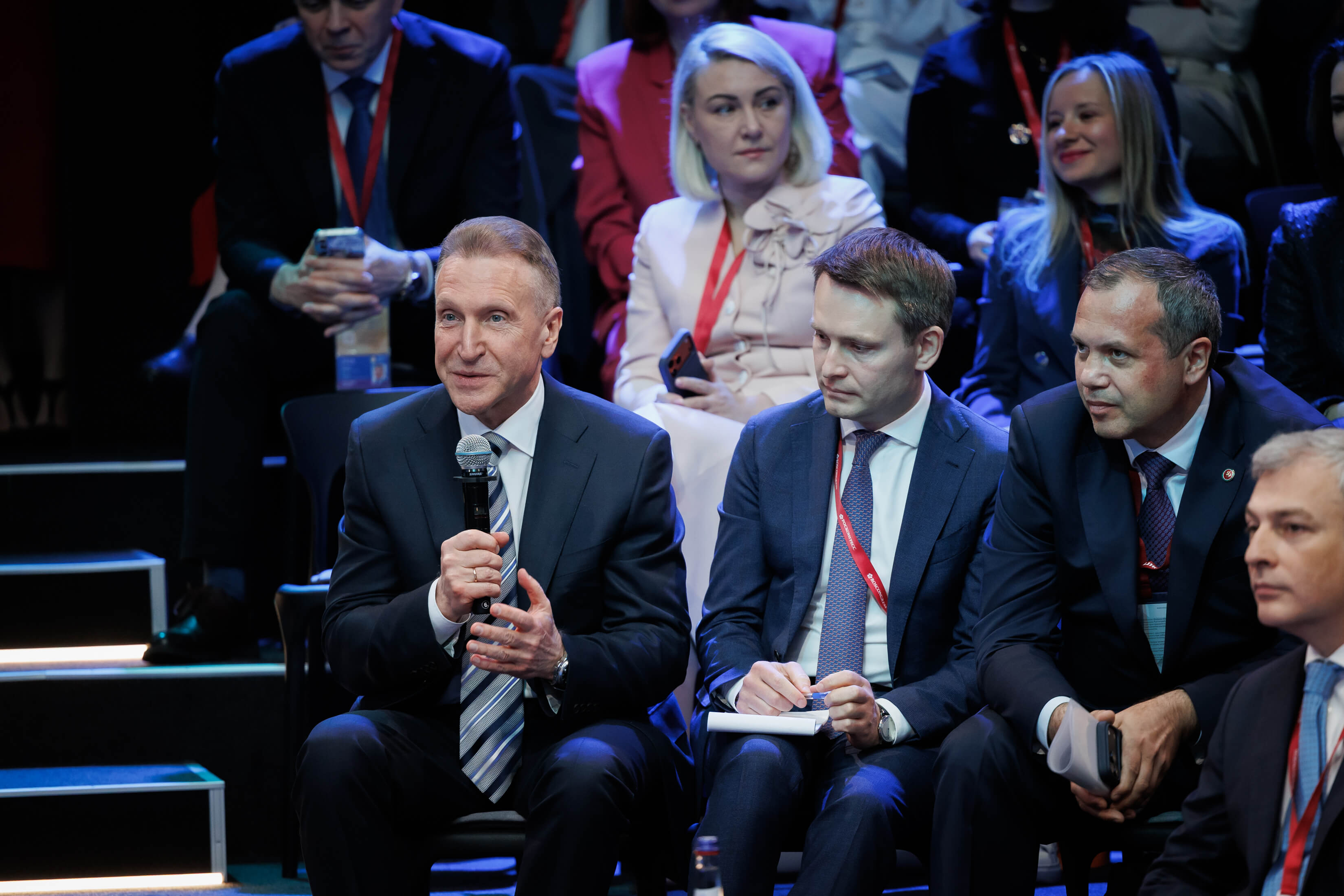
Igor Shuvalov, the head of VEB.RF and chairman of the Skoltech Board of Trustees, emphasized the importance of foundational school education and cautioned against sudden and ill-considered changes to the education system. “Technological leadership is based on freedom, not dirigisme,” he said. He added that reverting to Soviet models, such as mandatory postgraduate job placements and a tax on childlessness, would stifle technological leadership.

subscription
Credit: VEB.RF PR Office

The talent economy: Independent thinking and global knowledge transfer

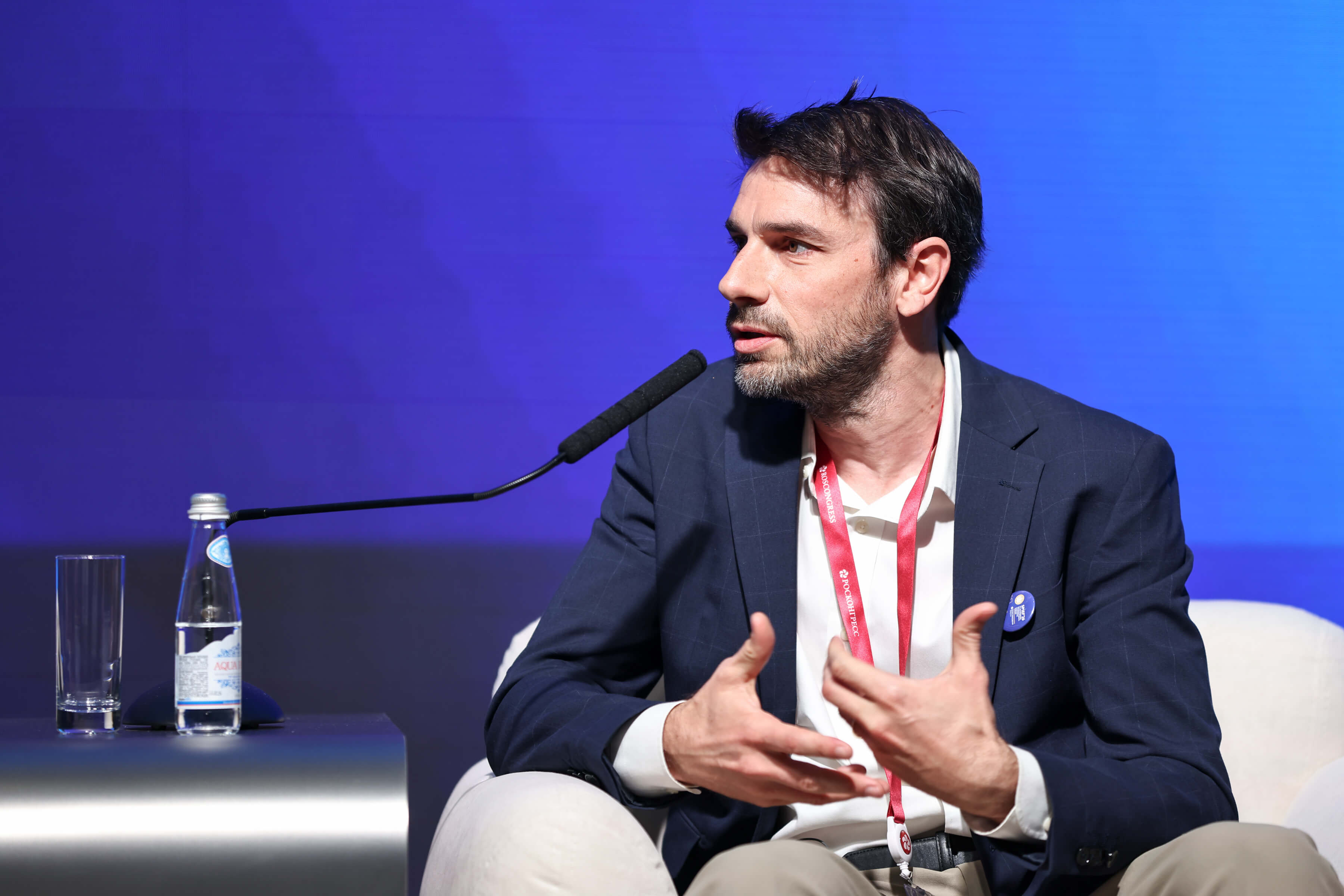
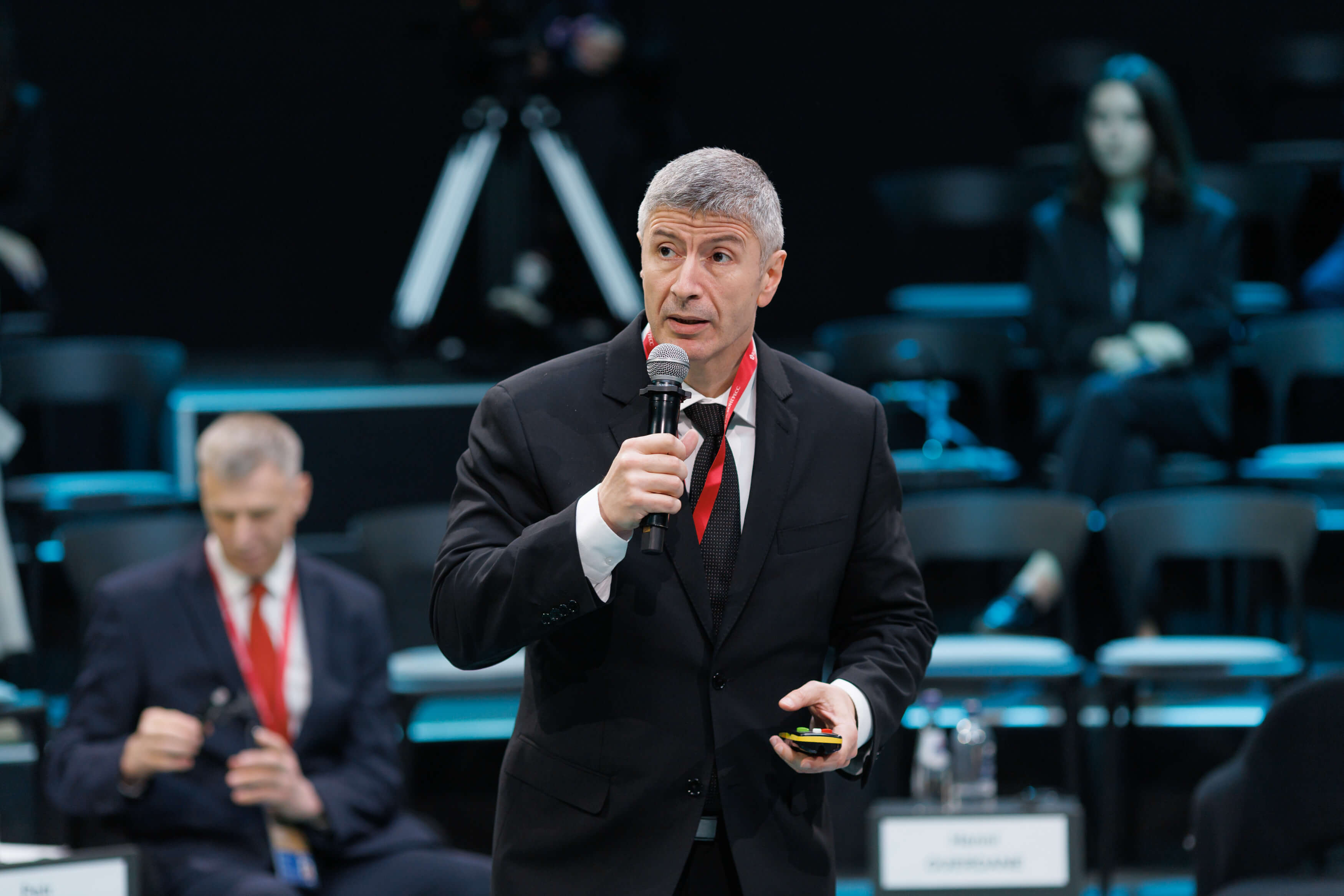
Modern education is about critical judgment, not just knowledge transfer. This was the message of Skoltech Provost Pavlos Lagoudakis, who spoke at VEB.RF’s “Talent Economy” class. He called for global knowledge transfer, stating that isolation leads to stagnation. While intellectual exchange is key to progress, it can also present challenges when it comes to acquiring and developing knowledge.

subscription
Credit: VEB.RF PR Office

During the session, Yulia Gorbunova stated that fostering independent, innovative thinking requires motivating students to actively engage with the transfer of knowledge.

The role of universities in technological development: International cooperation and trust

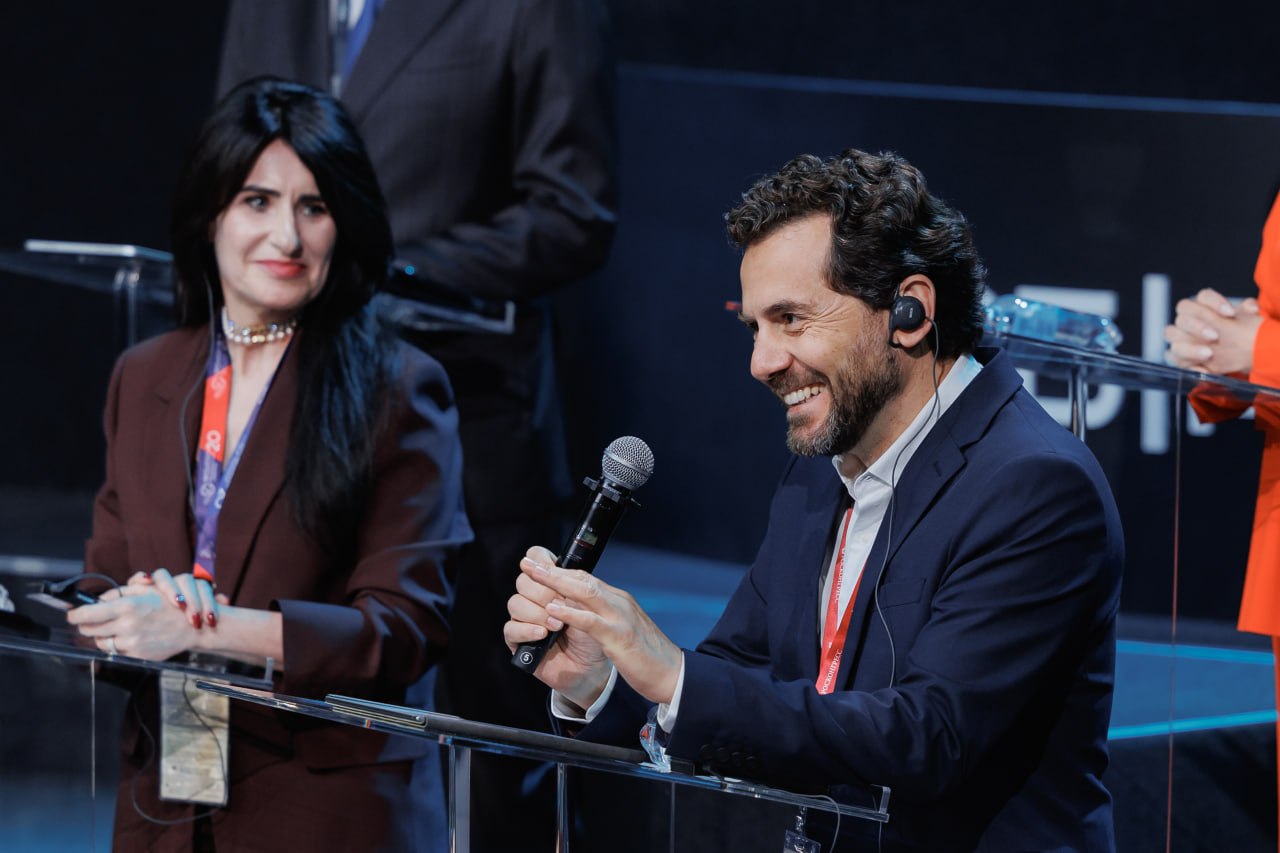
Associate Professor Federico Ibanez from the Energy Center participated in three sessions. At a Moscow government session on microelectronics, attended by Anatoly Garbuzov, the head of the Moscow Department of Investment and Industrial Policy, and Vasily Shpak, the deputy minister of industry and trade of the Russian Federation, Ibanez emphasized the importance of industrial companies engaging with universities and working with senior students to share best practices with future engineers.

subscription
Credit: Roscongress

At the session on developing industrial centers in BRICS+ countries, Ibanez mentioned that Skoltech, a unique English-language STEM university in Russia, has great potential for knowledge and technology transfer among BRICS+ countries. He also emphasized the importance of partnership and trust. “The challenge for industry is to embrace, standardize, and commercialize these ideas. Genuine technological leadership emerges at the intersection of trust, patents, and role sharing,” he said.

Artificial intelligence: Transforming education and healthcare

At VEB.RF’s “Enlightenment: Master Classes” session, Associate Professor Henni Ouerdane from the Engineering Center said that the pandemic and global changes have altered the formats of education, collaboration, and communication. Students are already using generative AI, but they need clear guidelines. “I keep telling my students that grades are one thing, while competencies, skills, and experience are another. The choice is yours, and every choice has its price,” he said.

subscription
Credit: VEB.RF PR Office

AI is the new reality of education, where AI technologies are used to develop products offering new training methods. The team of the Skoltech-born 01Mathematics project participated in the “Minute of Techno-Glory” pitch session. 01Mathematics uses AI and adaptive learning technologies to personalize the curriculum and make math learning more effective. This solution has already been integrated into the Moscow Electronic School.

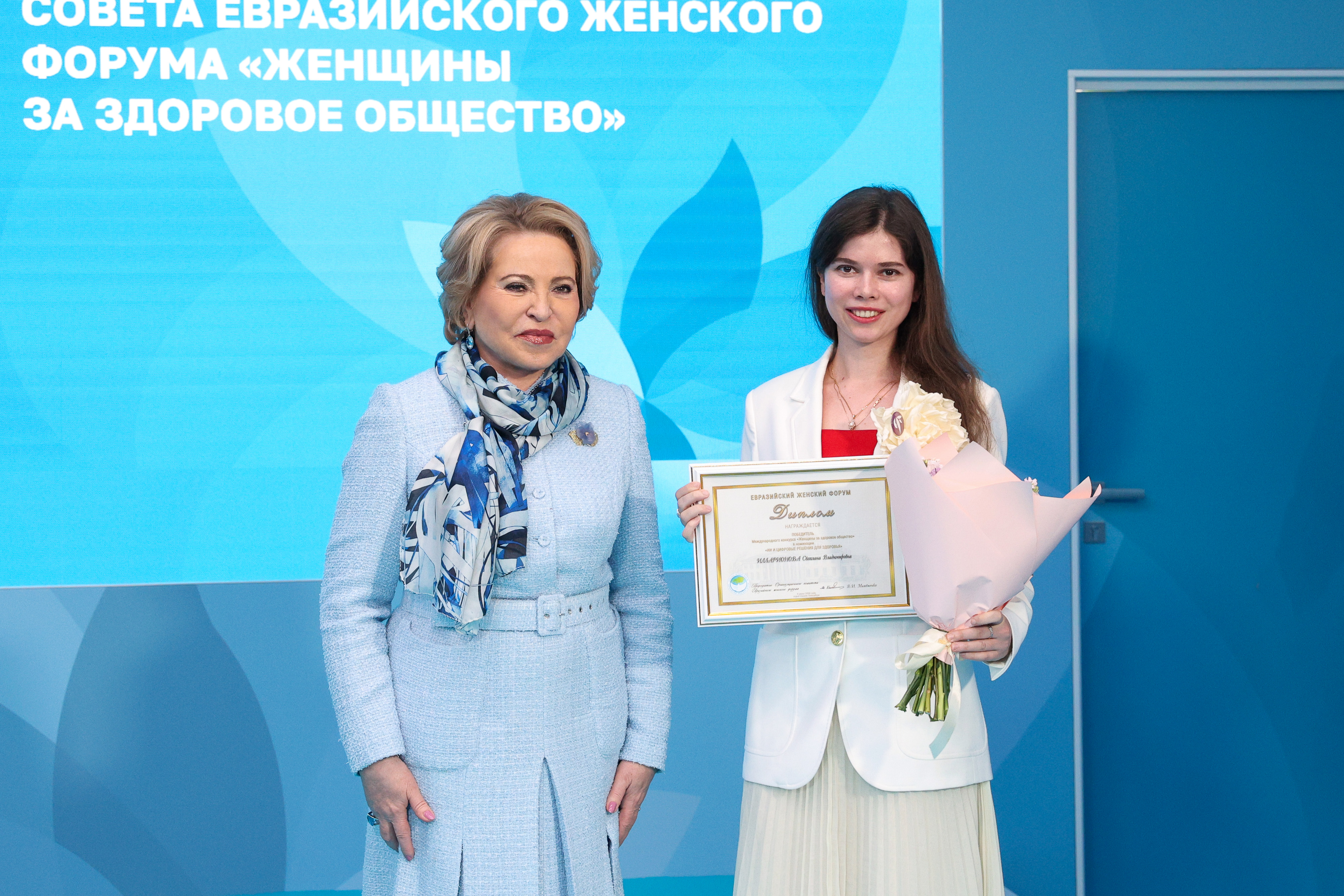
Skoltech’s AI-based projects extend beyond education. Svetlana Illarionova, who heads a research group at the AI Center, won the International Competition “Women for a Healthy Society” in the AI and Digital Solutions for Health category. The finals took place during the SPIEF. Svetlana received her Eurasian Women’s Forum diploma from Federation Council Chairperson Valentina Matvienko.

subscription
Credit: Parliament photo archives

Svetlana’s project, “Intelligent Pathomorphology,” uses generative AI to perform virtual tissue staining, reducing the time needed for molecular diagnosis of breast cancer from several days to just a few hours. This technology helps doctors select personalized treatments more quickly and is particularly valuable for regional medical centers.

Technology projects and strategic partnerships

The Skoltech-born Labadvance startup presented its projects at the Gazprombank booth in the SPIEF exhibition zone. The company develops microengineering devices that facilitate sample preparation and research in miniature microfluidic devices.

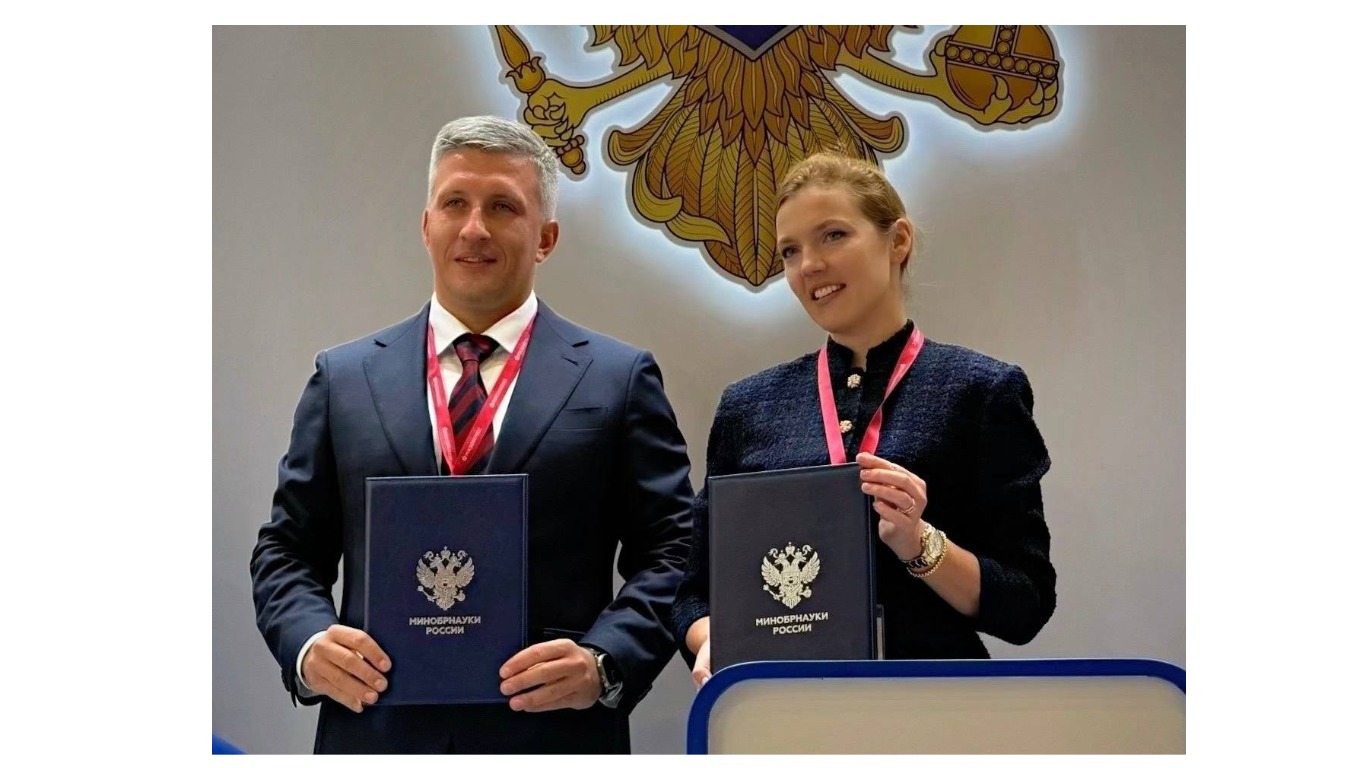
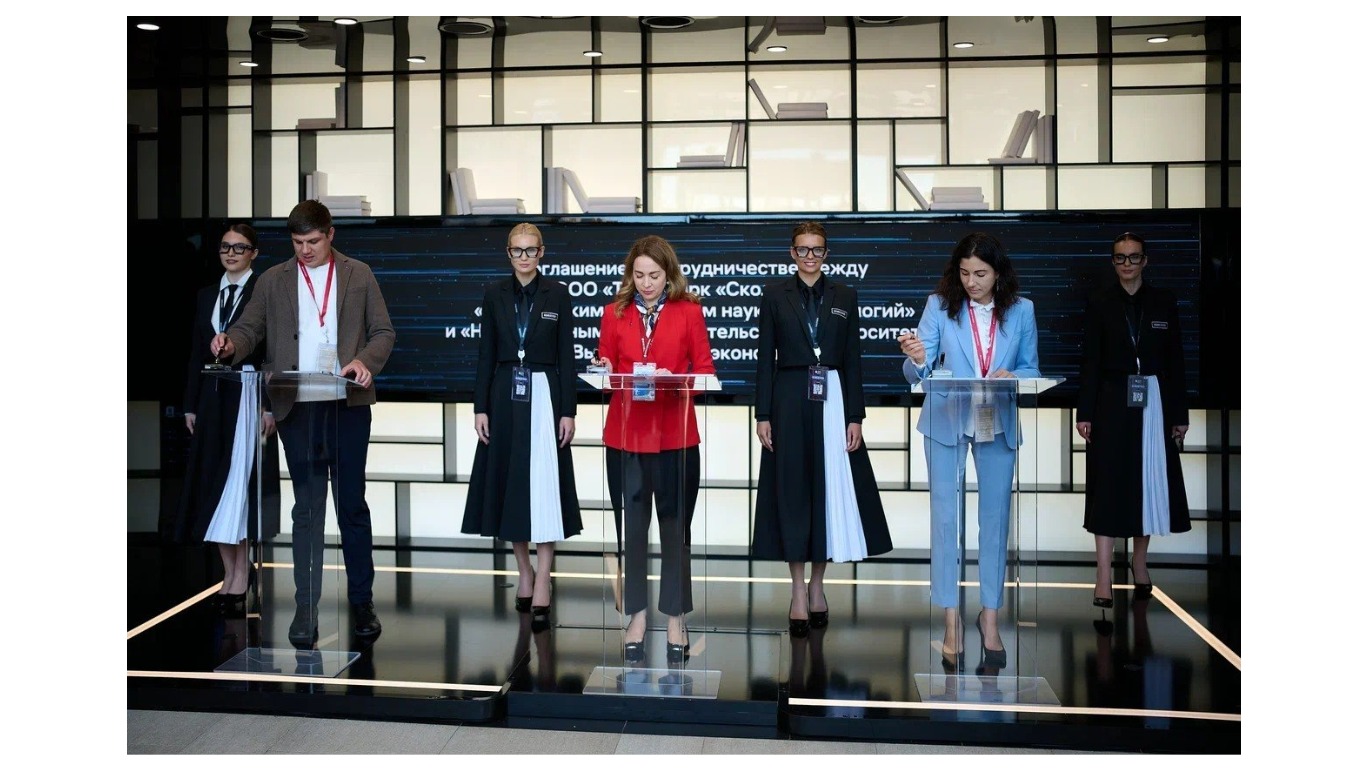
Skoltech signed several strategic partnership agreements at the forum:

  • Skoltech, the Kamchatka region, and Kamchatka State University will collaborate on the technological development of the region. They plan to establish a national competence center for geothermal energy at Kamchatka State University, launch joint R&D projects for regional companies, and involve Kamchatka State University students in Skoltech’s innovative programs and academic exchanges. They also intend to develop a talent pool for local businesses by offering professional education programs in priority areas of science and technology.

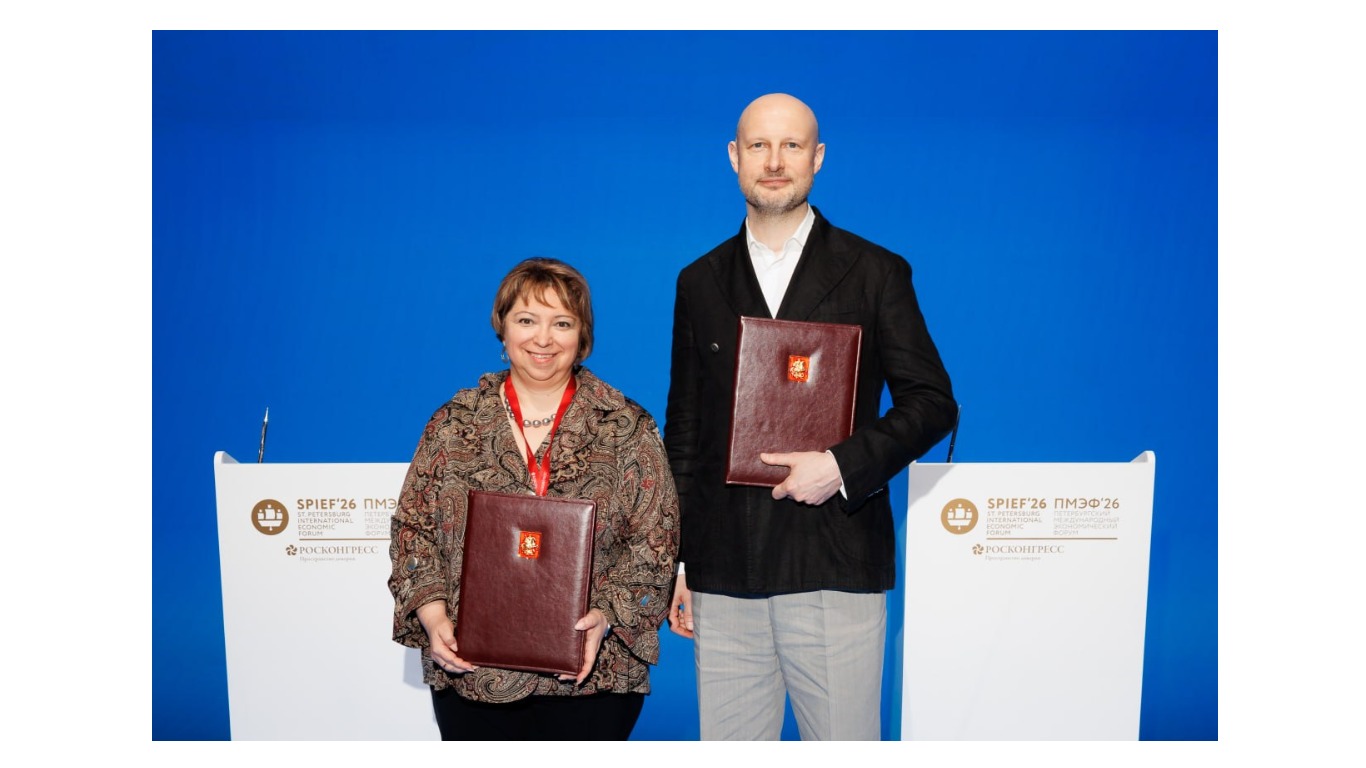
  • Skoltech and the Moscow Innovation Cluster will develop a testing infrastructure for robotic solutions, products and services, promote automation markets, and popularize robotics.

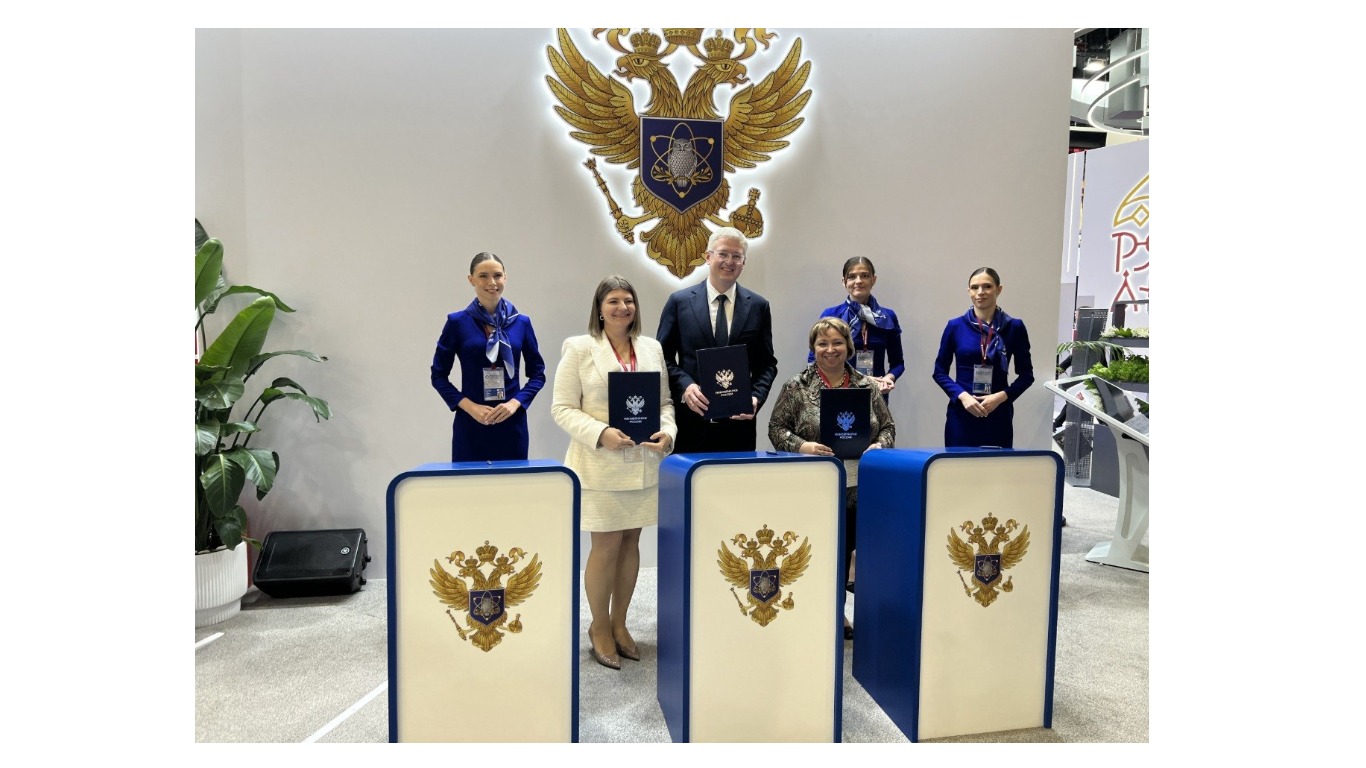
  • Skoltech and the Directorate of Scientific and Technical Programs will increase their efforts to popularize science and technology, provide expert evaluations of scientific, educational, and technological initiatives, and offer methodological and analytical project support. They will also support talented youth through the Mendeleev Card project and other initiatives.

  • Skoltech, HSE, and Skolkovo Technopark will launch joint professional education programs, crash courses, workshops, and laboratories, focusing on network-based and practice-oriented formats. The partners will jointly train interdisciplinary teams in technology market analysis and the development of science-intensive products tailored to specific industry needs.