Skoltech launches pilot line to produce 100 tons of cathode materials for lithium-ion batteries per year
December 16, 2025

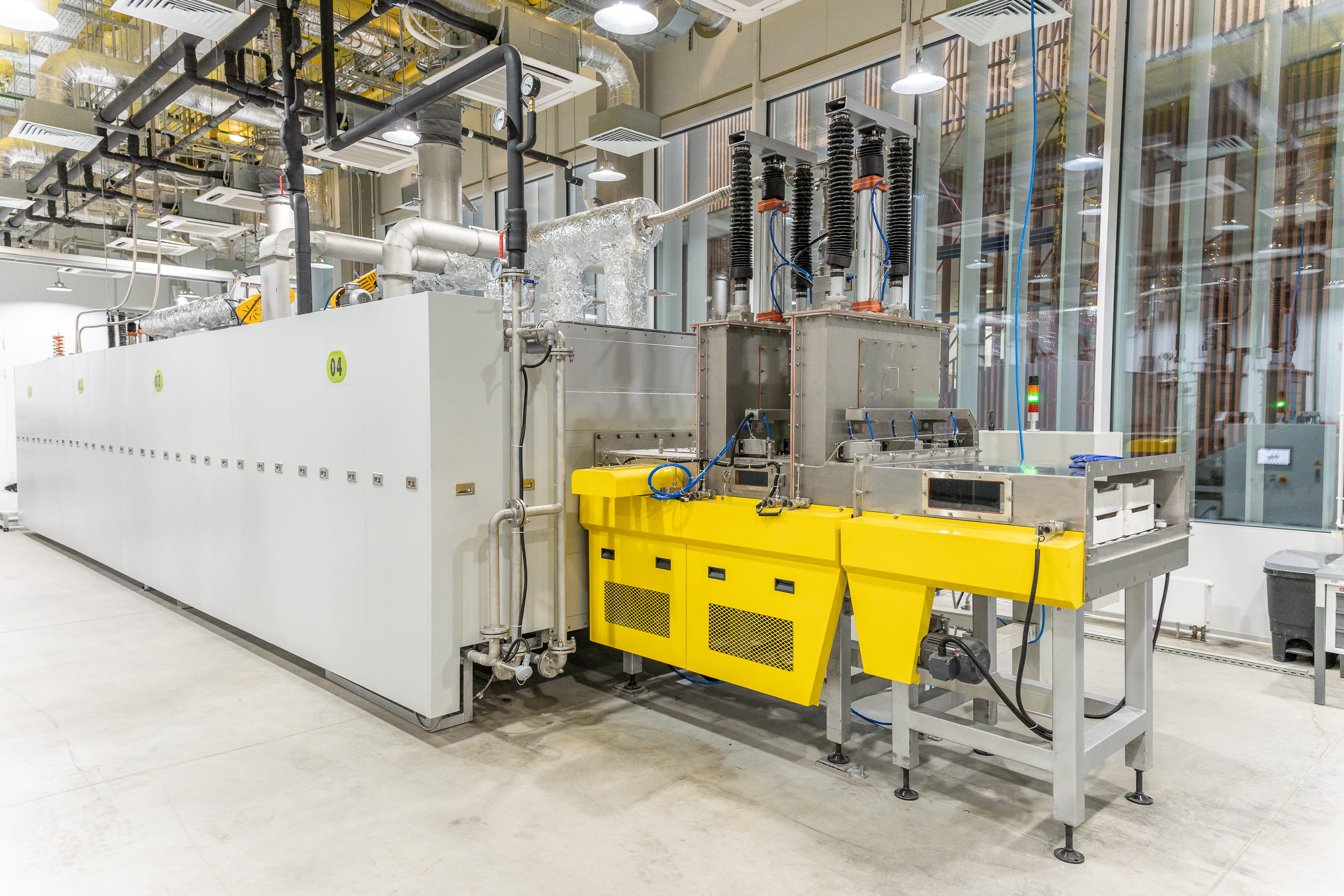
The Skolkovo Institute of Science and Technology (Skoltech) has launched a furnace for pilot production of advanced cathode materials for lithium-ion batteries. With an annual output of up to 100 tons, the furnace will produce standard cathode materials commonly used in the industry, as well as the latest patented innovations. Skoltech is a pioneer in developing cathode materials with enhanced properties in Russia and a holder of the largest intellectual property portfolio in oxide cathode materials, which will form the core of the Russian energy storage industry.

subscription
Photo 1. Skoltech’s furnace for synthesizing advanced cathode materials for lithium-ion batteries. Credit: Timur Sabirov, Skoltech.

Lithium-ion batteries power electric vehicles, including large ones, as well as portable devices ranging from smartphones and computers to lawn mowers. They also mitigate voltage fluctuations caused by uneven demand on power grids.  

The core of any lithium-ion battery, cathode material accounts for half of its cost, weight, and size. Its properties are crucial to the battery’s overall performance. One major family of cathode materials is named NMC, short for its three key elements: nickel, manganese, and cobalt. Like stainless steel, NMC has many varieties, and researchers are developing new ones with advanced properties for specific applications. 

Skoltech’s new furnace, which combines impressive production capabilities with rich research potential for young scientists, will drive the advancement of the industry. This unique research and production platform will help refine and adapt synthesis technology for large-scale production. 

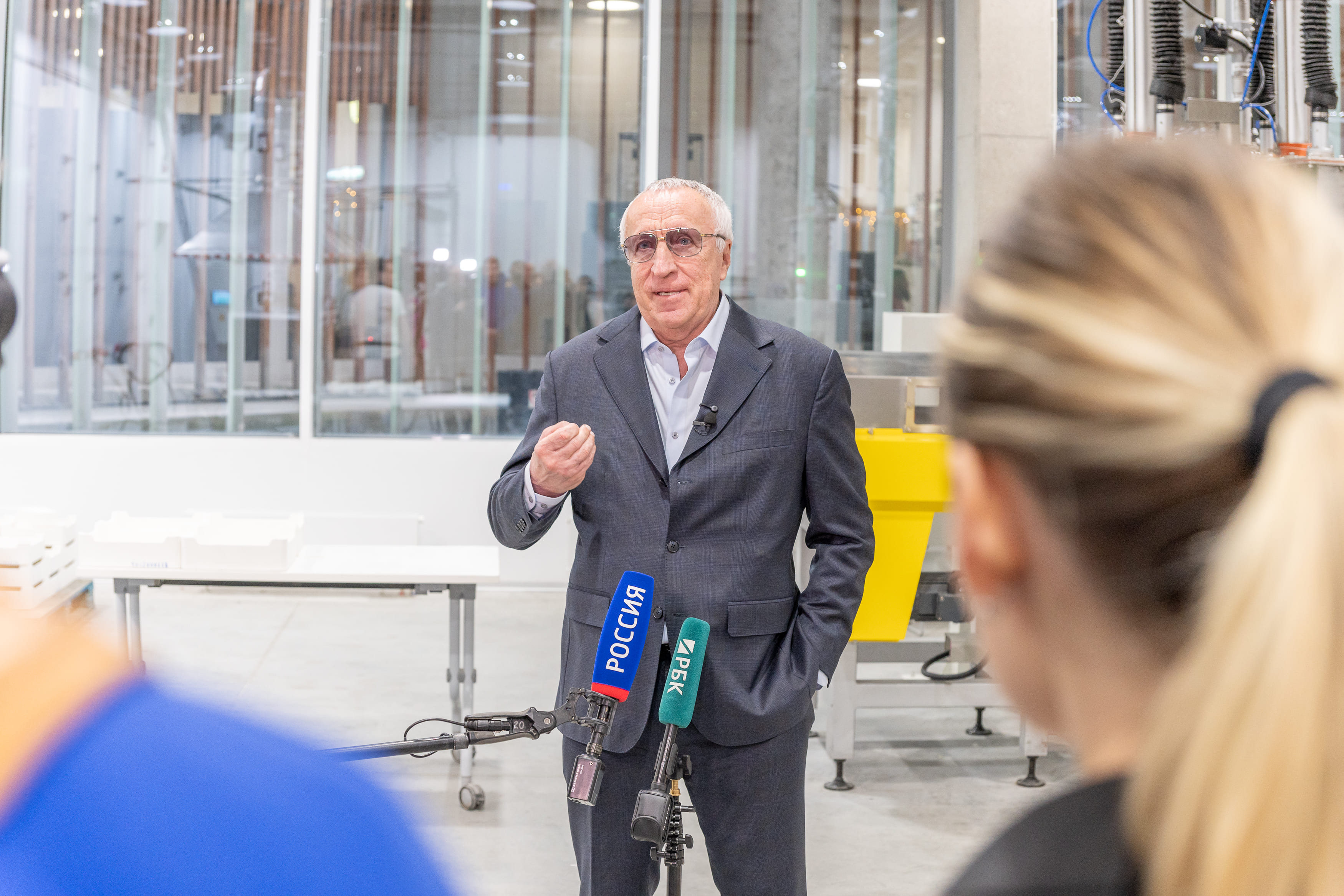
“Scaling research for industrial applications is one of Skoltech’s primary objectives. The launch of this new facility, led by Skoltech Distinguished Professor Artem Abakumov, is an important step in establishing our own production of cathode materials for lithium-ion batteries. Our research team is already in discussions with potential customers from the industry,” Skoltech President Alexander Kuleshov said. 

subscription
Photo 2. Skoltech President Alexander Kuleshov delivers a speech at the presentation of Skoltech’s pilot production of cathode materials for lithium-ion batteries. Credit: Timur Sabirov, Skoltech.

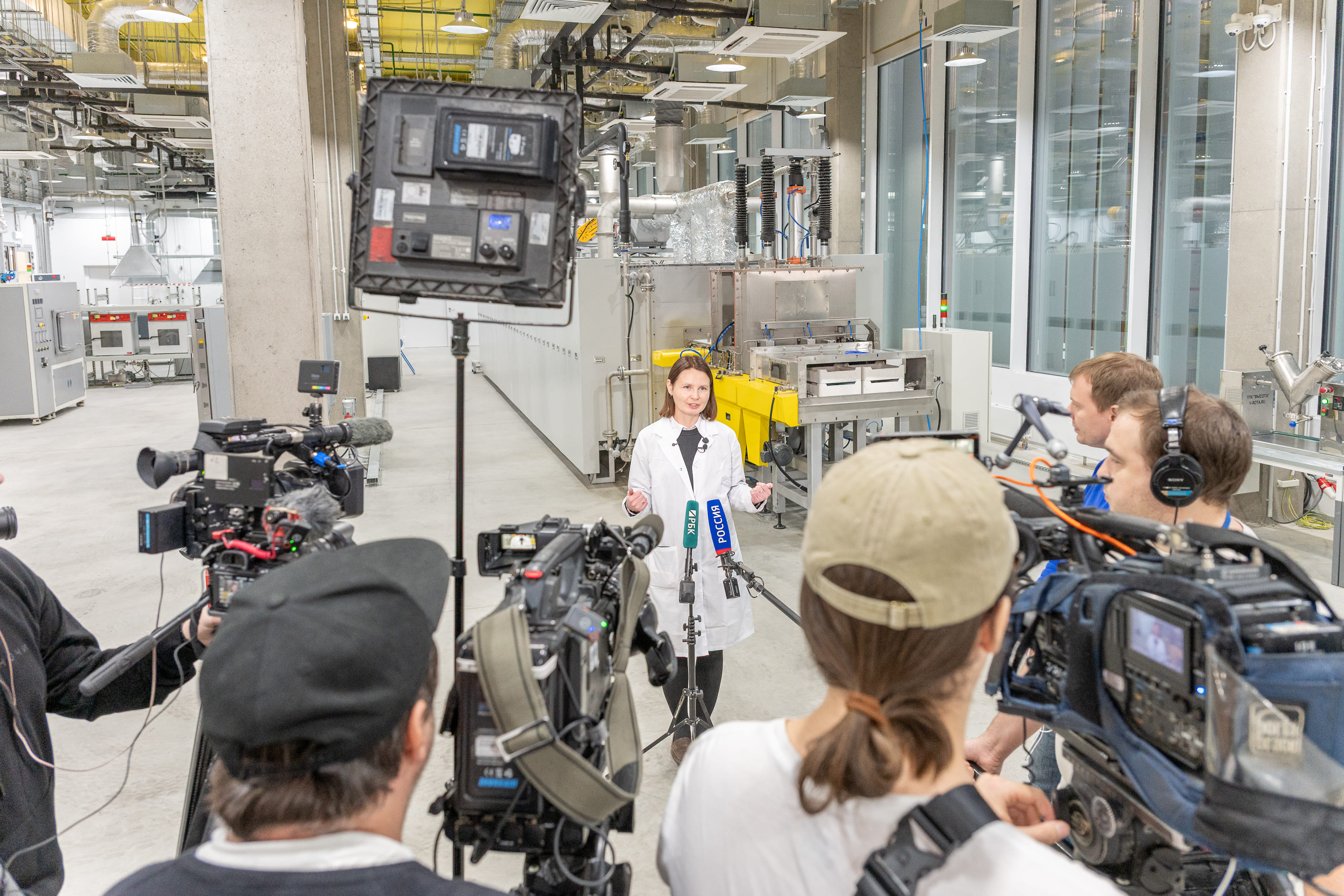
“Our new furnace is universal. By adjusting the annealing parameters, we can manufacture a wide variety of NMC materials with different nickel content, as well as other essential types of cathode materials, such as lithium cobalt oxide (LCO). This gives us flexibility and independence from the market situation. In the coming year, we will focus on optimizing the furnace and determining the optimal synthesis parameters, including annealing time and temperature,” Senior Research Scientist Alexandra Savina from Skoltech Energy, who heads the new Skoltech Laboratory for Cathode Material Production Scaling, commented.

subscription
Photo 3. Senior Research Scientist Alexandra Savina from Skoltech Energy presents the pilot line for lithium-ion battery cathode materials. Credit: Timur Sabirov, Skoltech.

“We will use the furnace to develop our patented technologies and synthesize various gradient and core-shell structures and materials with modified grain boundaries. Combining these approaches offers unique opportunities for creating new materials with enhanced properties,” Savina added.

Skoltech is a Russian leader in intellectual property for oxide cathode materials, which will shape the future of Russian energy storage. The Skoltech team’s focus on innovation is twofold: it includes the development of advanced materials and cost-effective production processes. The plan is to use the production line at Skoltech and the facilities of the Rustor startup to market new nickel-rich cathode materials for electric mobility.